2026-11-14 · Tom Brennan
Preventing Pipe Bursts During Worcester's Coldest Months
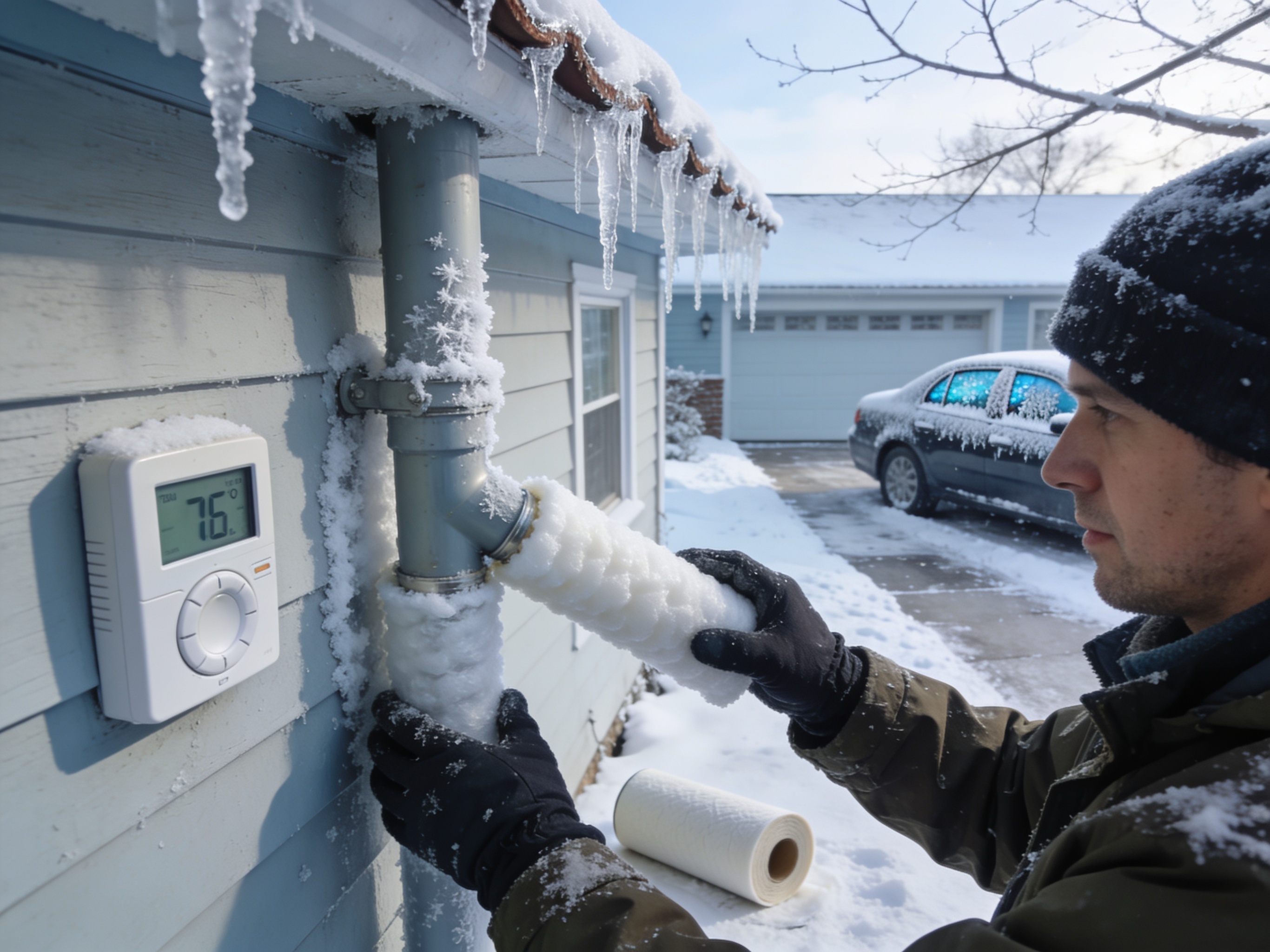
Worcester homeowners prevent most pipe bursts by keeping indoor temperatures above 55°F in unheated spaces and adding insulation to exposed lines in crawl spaces and attics. This approach directly counters the humid continental climate's cold snaps that reach single digits in January and February. Older housing stock in neighborhoods like Downtown Worcester and Main South often features narrow crawl spaces and uninsulated basements that lose heat quickly once outdoor temperatures drop. Quinsigamond Village and Greendale properties built before 1960 face similar exposure along exterior walls. Regular checks of shut-off valves and slow-drip methods on faucets during forecasted lows below 20°F further reduce pressure buildup inside copper and galvanized lines.
Mapping Freeze Risks to Worcester's Housing Stock
Older homes in Burncoat and Greendale commonly run supply lines through unheated attics and exterior walls without modern foam sleeves. These setups freeze first when overnight lows hit 10°F for more than four hours. Downtown Worcester row houses share similar vulnerabilities where shared walls create cold pockets near Union Station. Main South properties near the Worcester Art Museum often have galvanized piping that corrodes internally, narrowing the interior diameter and raising burst pressure. Homeowners in these areas inspect accessible lines every fall and replace sections showing scale buildup. Adding 1-inch closed-cell foam to 20–30 linear feet of pipe in a typical 1940s basement costs far less than repairing water damage after a rupture.
Practical Steps for Consistent Heating and Insulation
Set thermostats to 60°F minimum in every room, including rarely used spaces near the Ecotarium or Higgins Armory Museum. Place electric space heaters on timers in utility rooms during extended cold fronts. Wrap pipes within 6 inches of exterior walls with fiberglass or foam sleeves rated for -20°F. In Shrewsbury homes just outside city limits, residents also seal foundation vents that allow cold air under floors. Check water meter pits and outdoor spigots for proper drainage before the first hard freeze. These steps address the specific soil and wind patterns that accelerate heat loss in Worcester's rolling terrain.
Monitoring and Early Response in Historic and Nearby Areas
Homes near Union Station and in historic districts often retain original plumbing that expands and contracts more than modern PEX. Listen for banging or reduced flow when temperatures fall below 15°F. If flow stops, shut off the main valve at 10 Pullman St properties or similar addresses and call for assessment rather than forcing heat onto frozen sections. Nearby Auburn and Shrewsbury residents follow the same protocol because their water mains share the same pressure zones. For full guidance on restoration after any incident, see the Cost Guide for Water Damage Restoration in Worcester MA.
Seasonal Maintenance Calendar for Worcester Winters
October: Drain exterior hoses and install foam covers on sill cocks. November: Insulate accessible pipes and test heating in all zones. December through February: Monitor forecasts and maintain 55°F minimum when lows are predicted below 20°F. March: Inspect for hidden leaks once thaws begin. These timed actions match Worcester's typical freeze-thaw cycle and reduce emergency calls to Water Damage Restoration crews. Properties in Greendale and Quinsigamond Village benefit most from this schedule because their elevation exposes them to stronger winds that strip heat from foundations.